
HT Series continues my long-term investigation of FDM 3D printing as a medium of artistic expression. Rather than treating digital fabrication as a process of exact reproduction, my work explores the moment when computational design encounters the physical world. It is within this encounter that I locate authenticity—not in the digital model alone, nor in manual intervention, but in the dialogue between both.
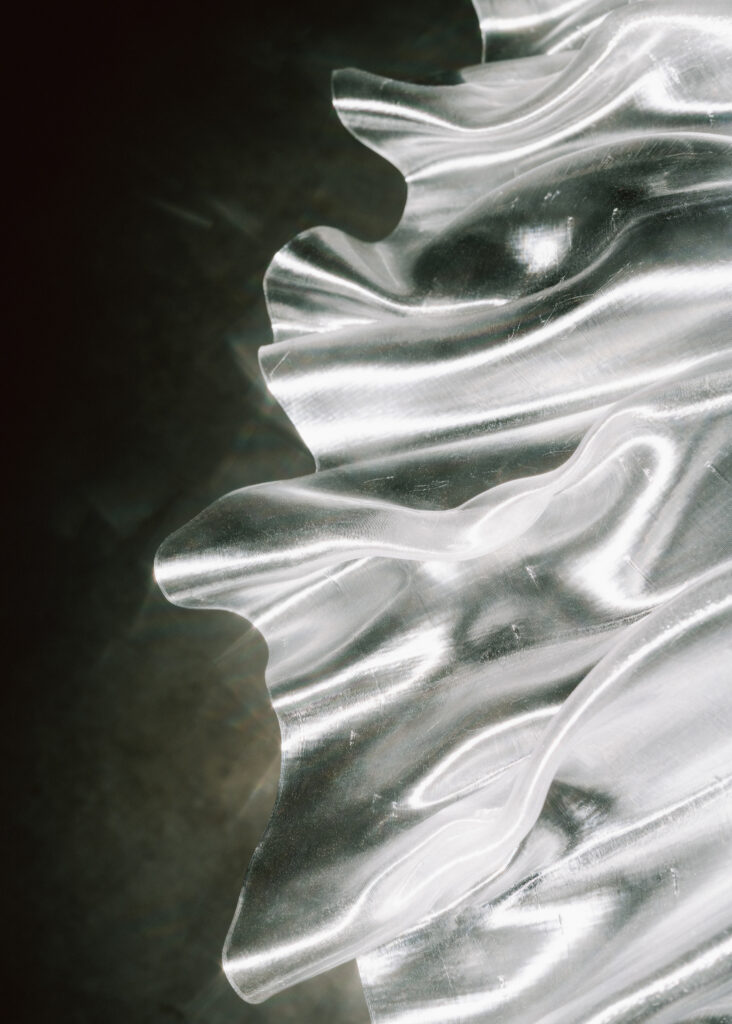
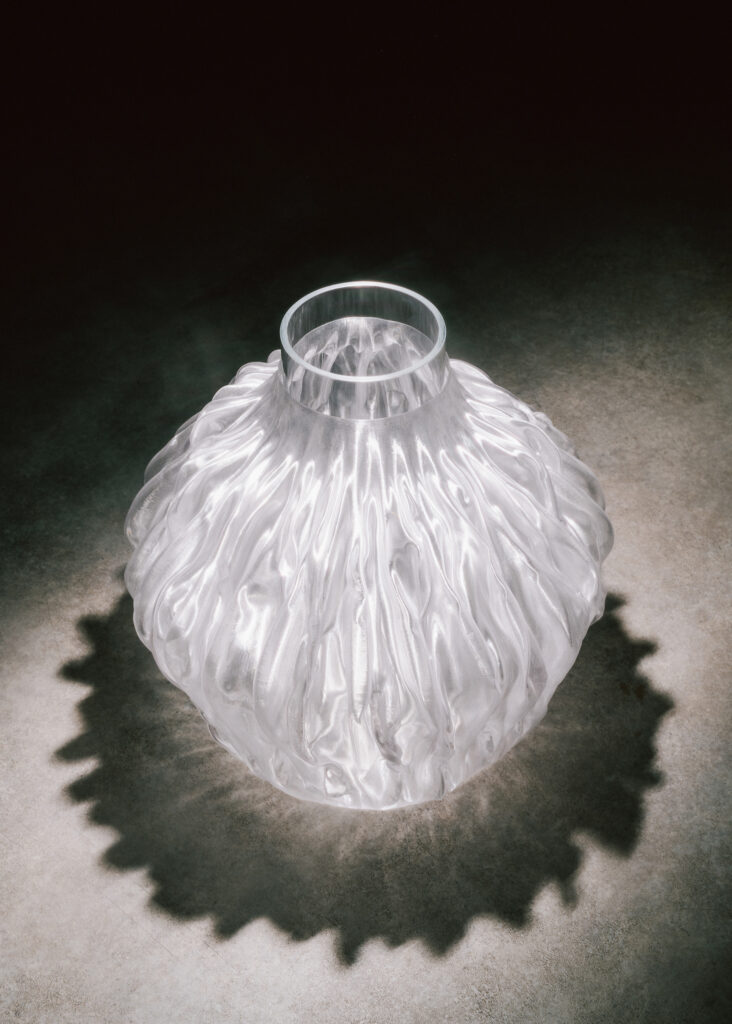
The series is grounded in a simple material observation. PLA, one of the most common materials used in desktop 3D printing, is often dismissed for its sensitivity to heat. Instead of compensating for this property, I adopt it as a design principle. Heat is not the subject of the work but the medium through which the digital object enters physical reality, where geometry begins to negotiate with gravity, tension, elasticity, and the behaviour of the material itself.
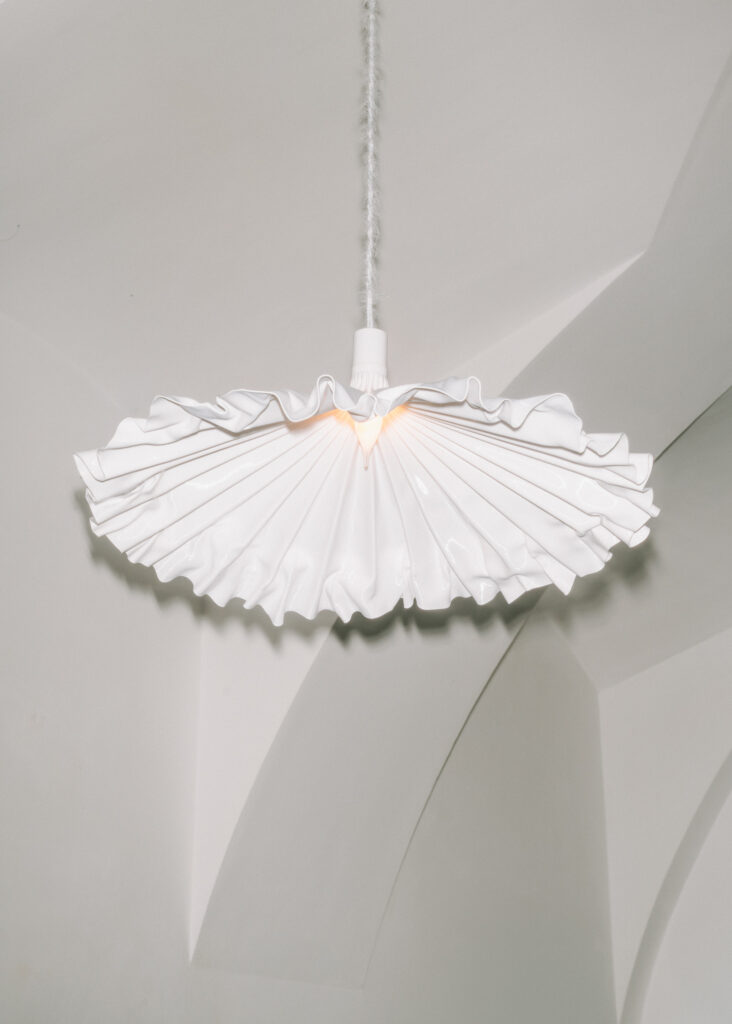
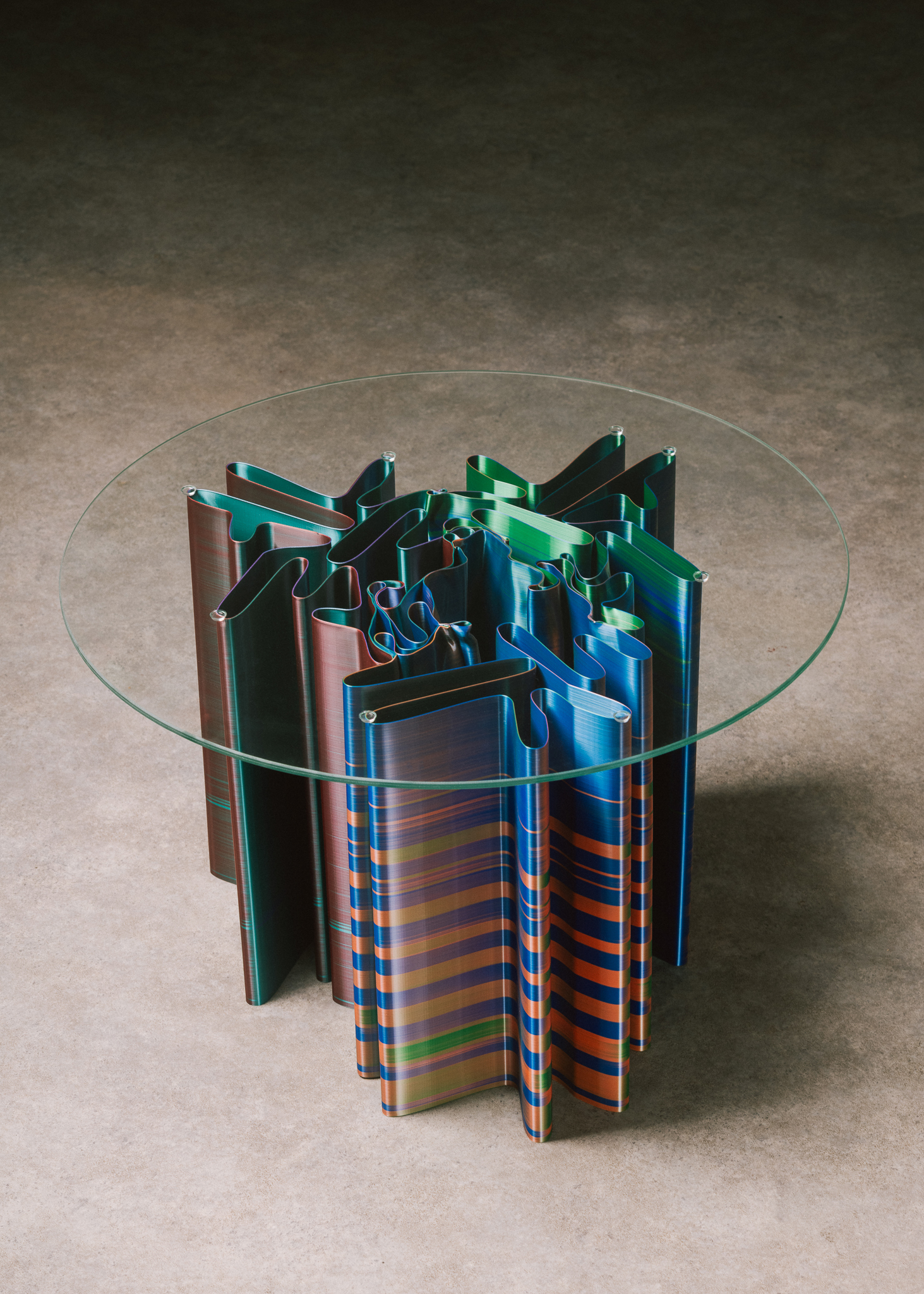
3d printed PLA, light source, glass, mirror, connecting components
2026
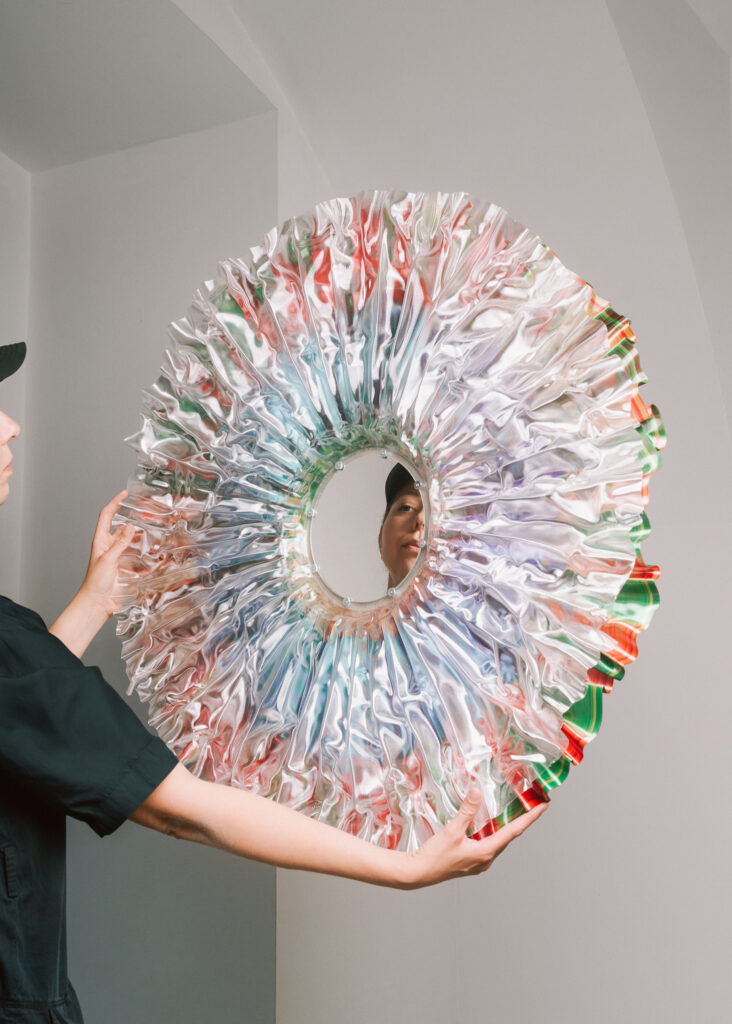
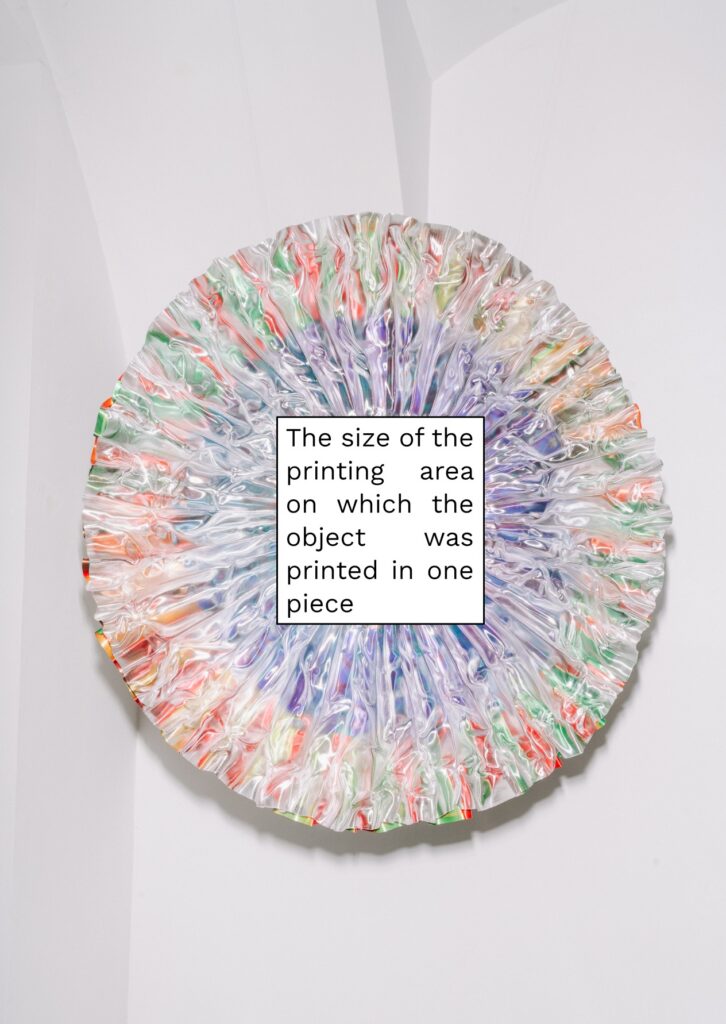
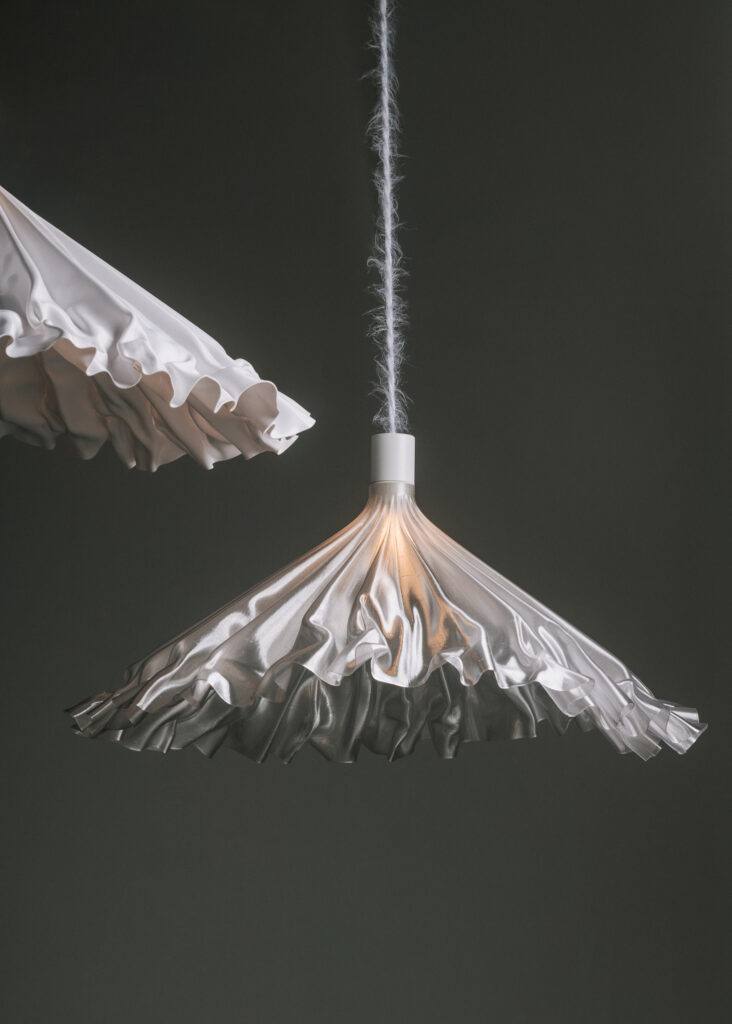
Each object is conceived as a complete design whose logic extends beyond the act of printing. The printed geometry is deliberately engineered for a second phase of formation, in which thermal manipulation activates possibilities already embedded within its structure. Every transformation is anticipated by the design, yet never entirely determined by it. Physical laws become collaborators in the making of the final object.
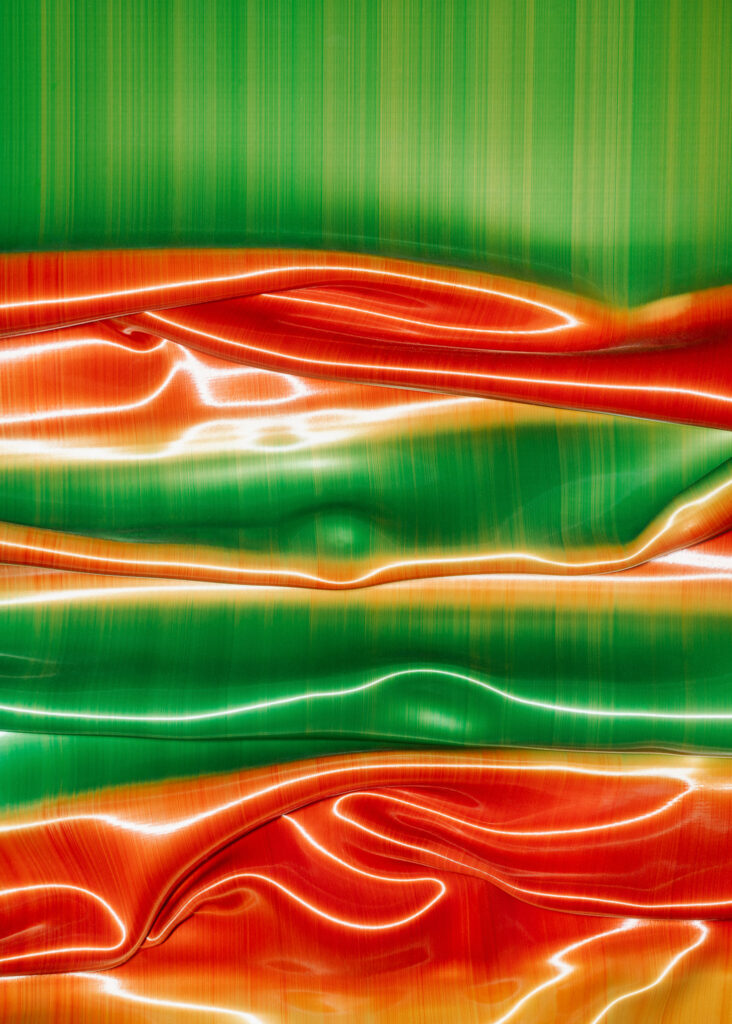
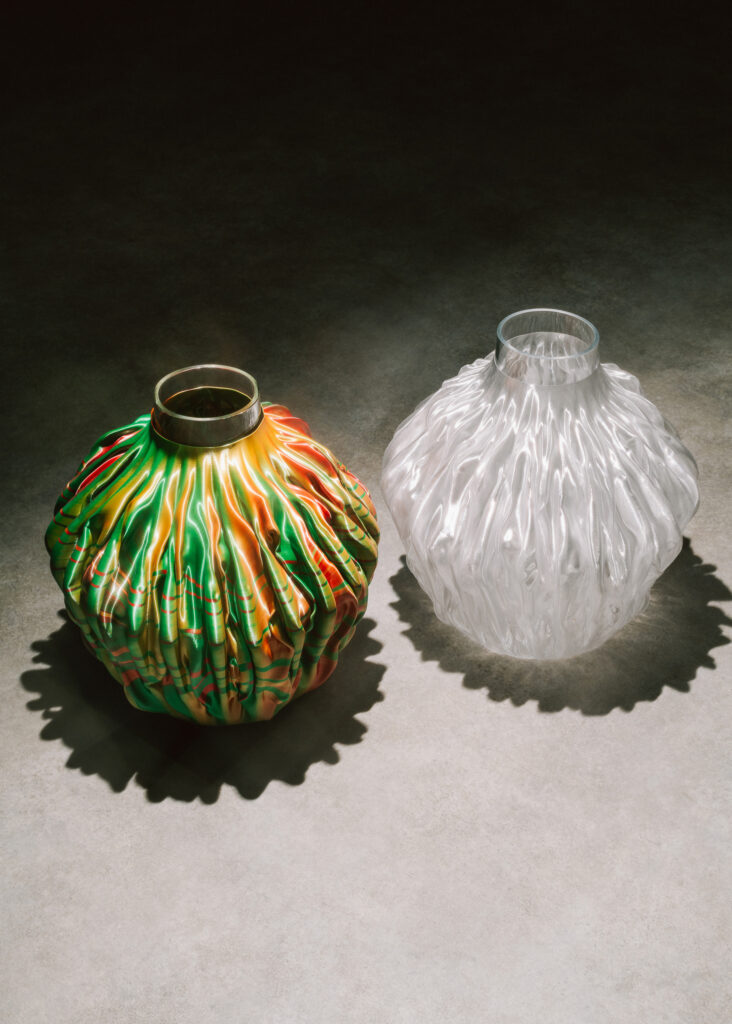
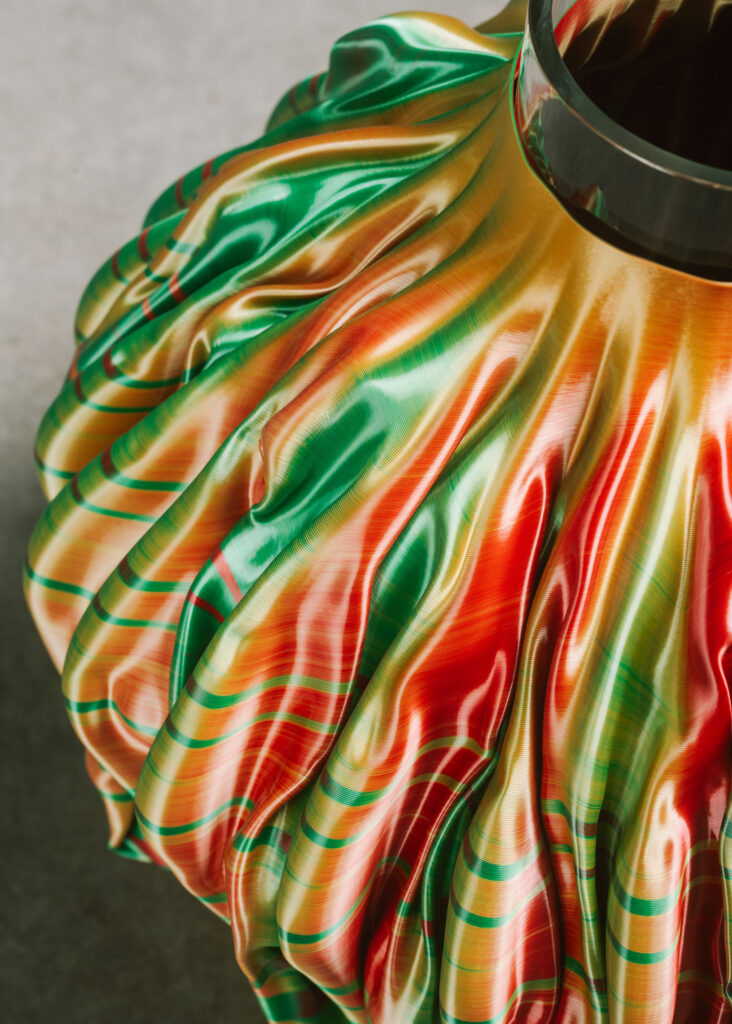
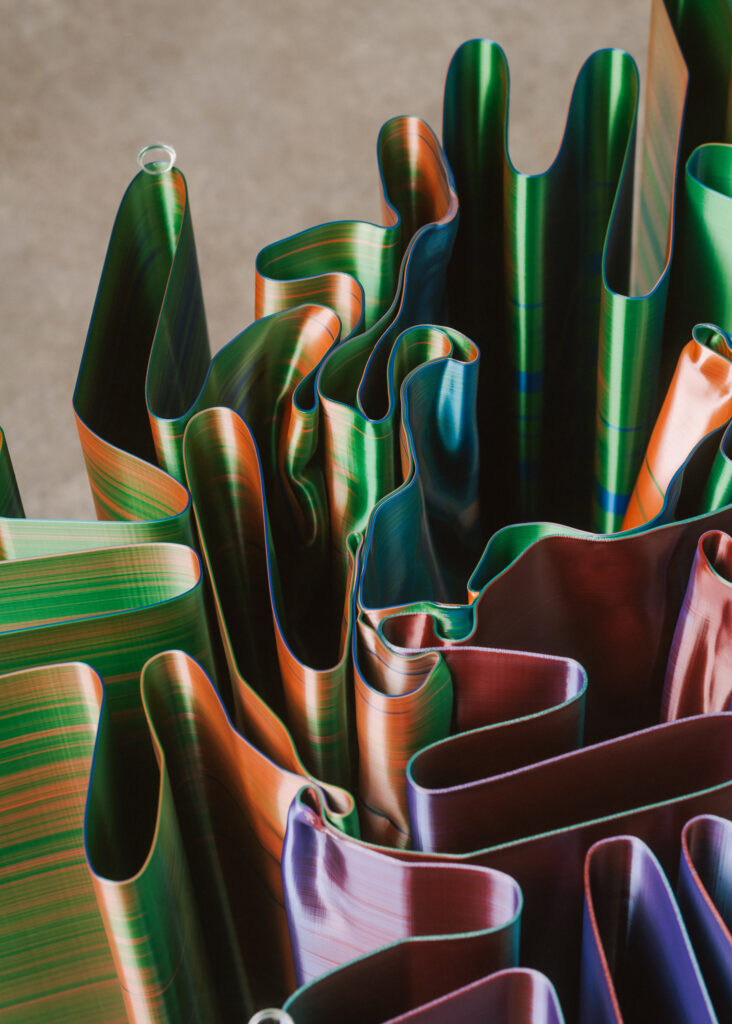
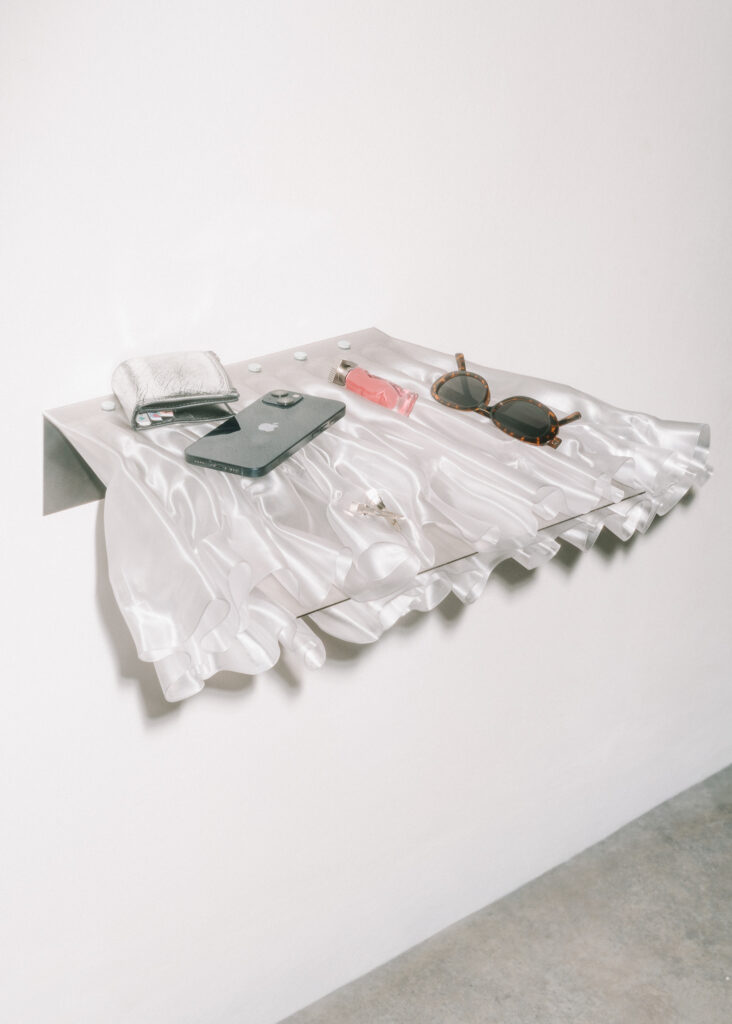
This approach also allows the work to exceed the apparent limitations of hobby-grade FDM printers, a technology that has remained central to my practice. Objects are printed in compressed configurations and later expanded, unfolded, stretched, or reshaped into forms that greatly surpass the dimensions of the printer itself. An eighty-centimetre mirror frame, for instance, originates from a build volume of only 35 × 35 centimetres. Elsewhere, precise printed geometries soften into fluid surfaces, while multicolour filaments transform into structures that evoke woven textiles or suspended drapery, dissolving the visual boundary between industrial production and craft.
Throughout the series, digital precision is never opposed to material unpredictability. Instead, the two exist as complementary conditions of the same process. The computational model establishes a field of possibilities, while physical reality completes it through forces that cannot be fully simulated or controlled. The object emerges not despite this negotiation, but because of it.
HT Series reflects my broader artistic practice, which consistently seeks points of convergence between digital systems and the material world. It proposes that technology should not aspire to replace physical reality through ever greater precision, but to engage with it. The work suggests that authenticity arises precisely where the logic of computation meets the irreducible complexity of matter—where the digital and the physical cease to function as opposites and instead become inseparable parts of a single creative process.
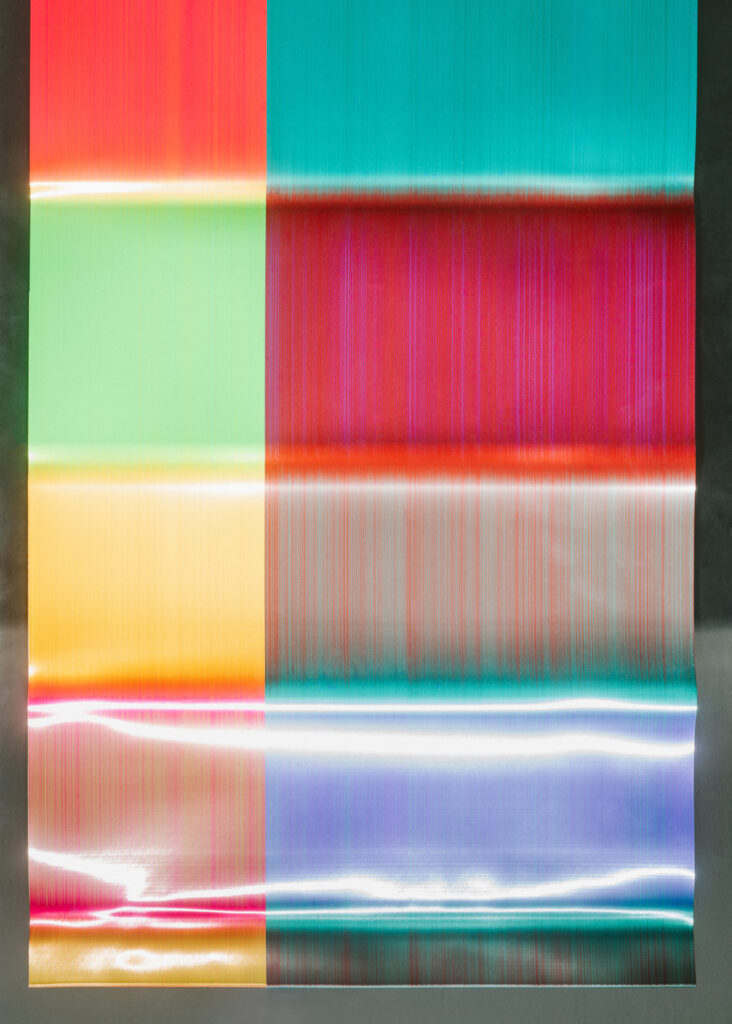


Photography by Nora Saparová